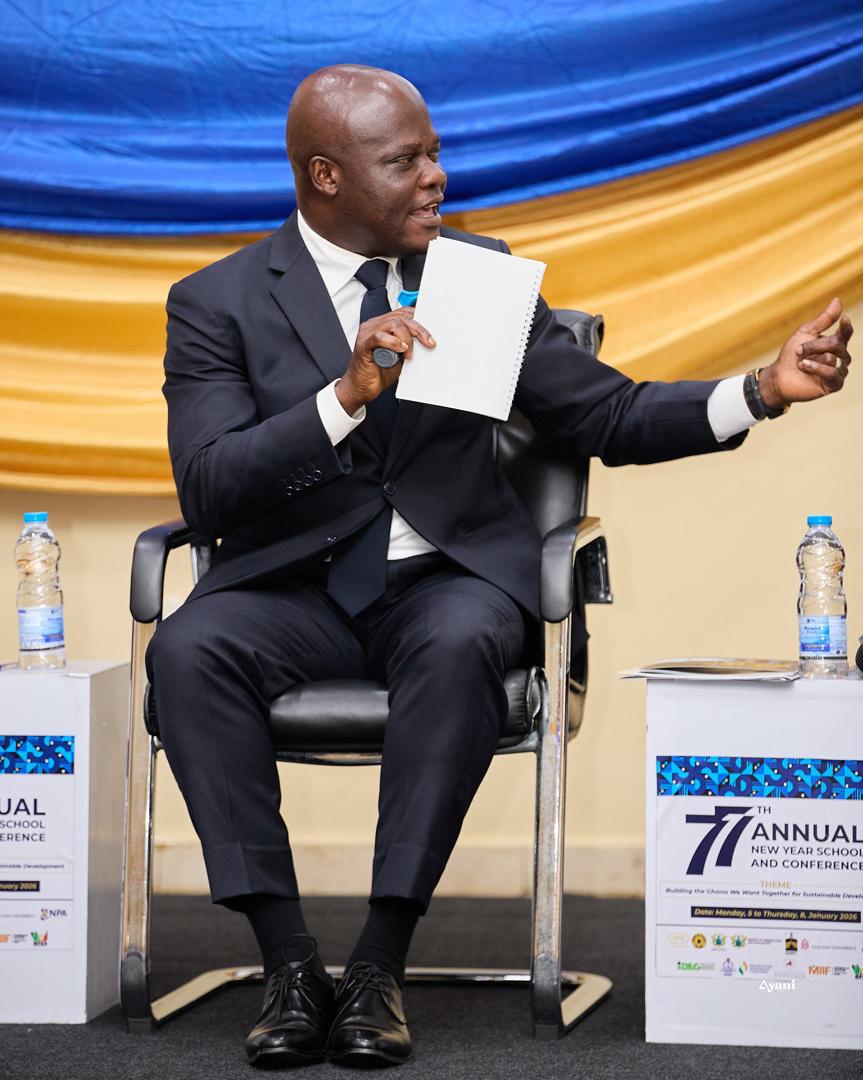
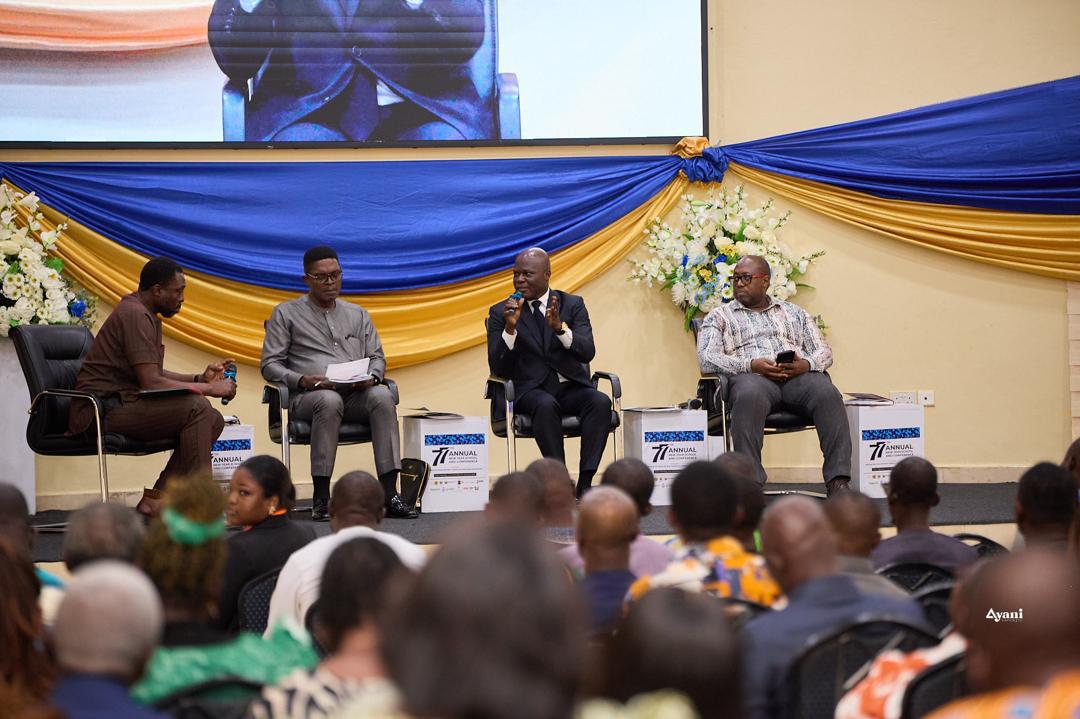
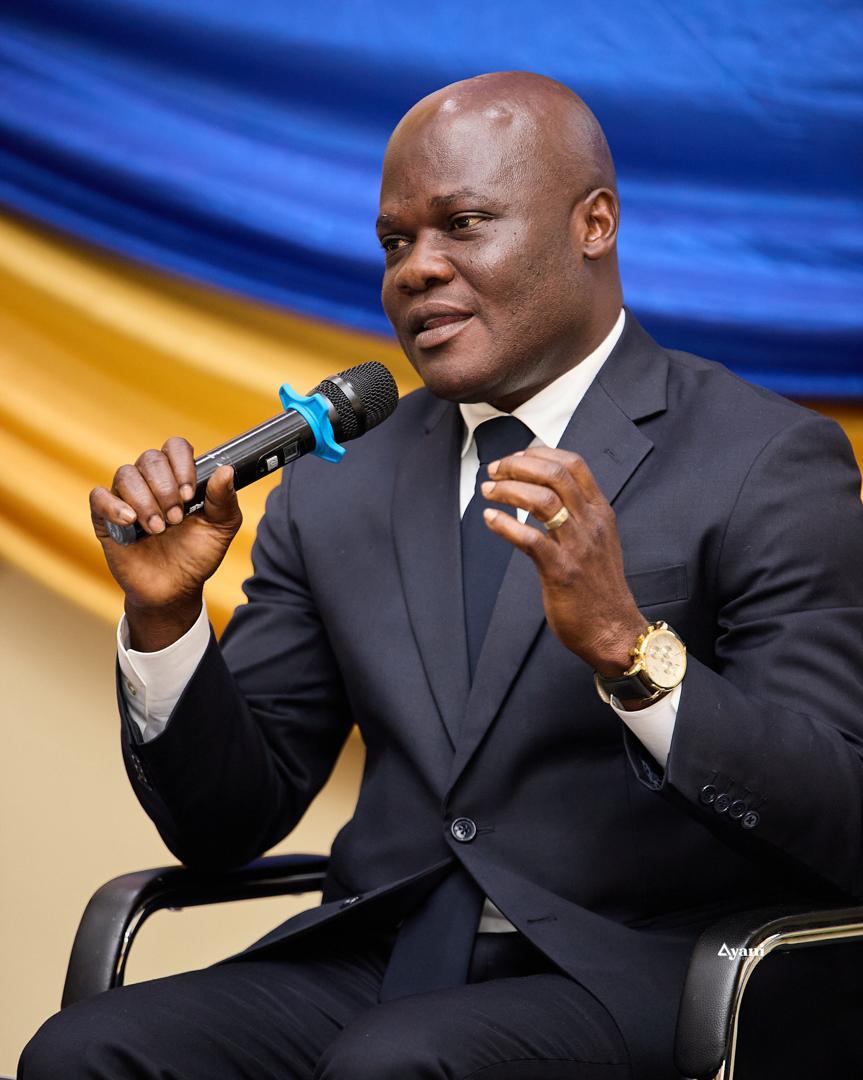
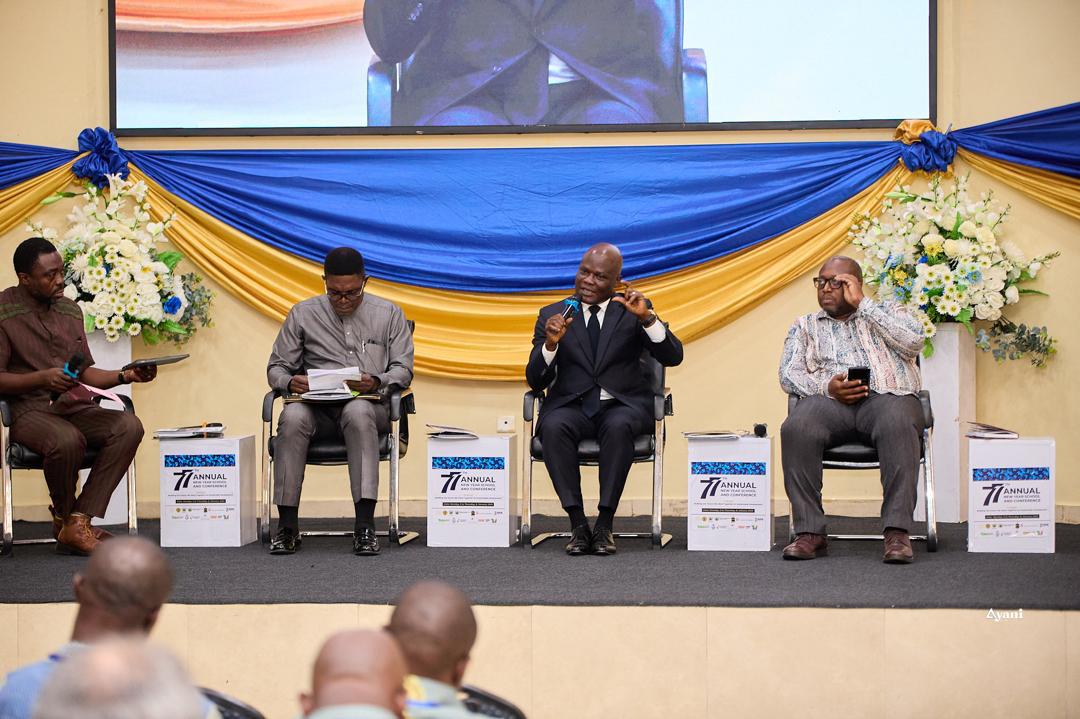
“No corruption or corruption-related cases have been recorded among appointees of the current administration,” announced Hon. Ahmed Ibrahim, Minister for Local Government, Chieftaincy and Religious Affairs, highlighting the impact of reforms introduced under President John Dramani Mahama.
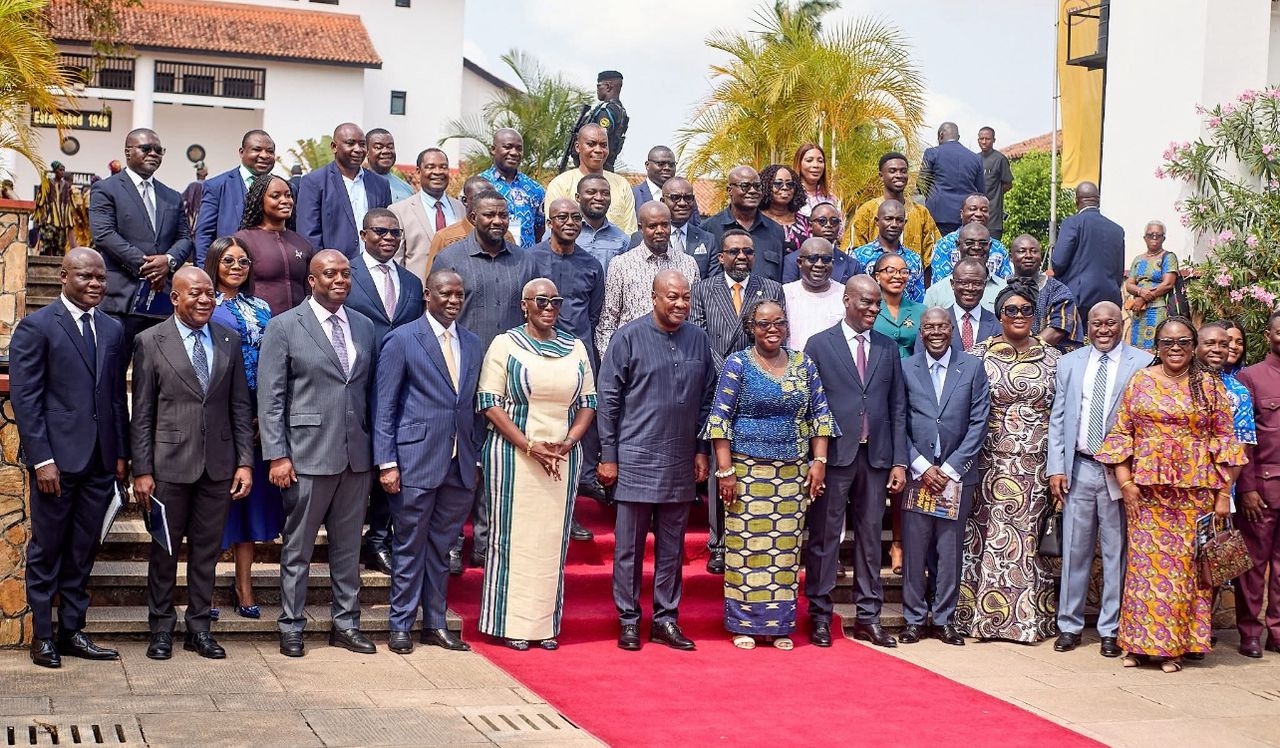
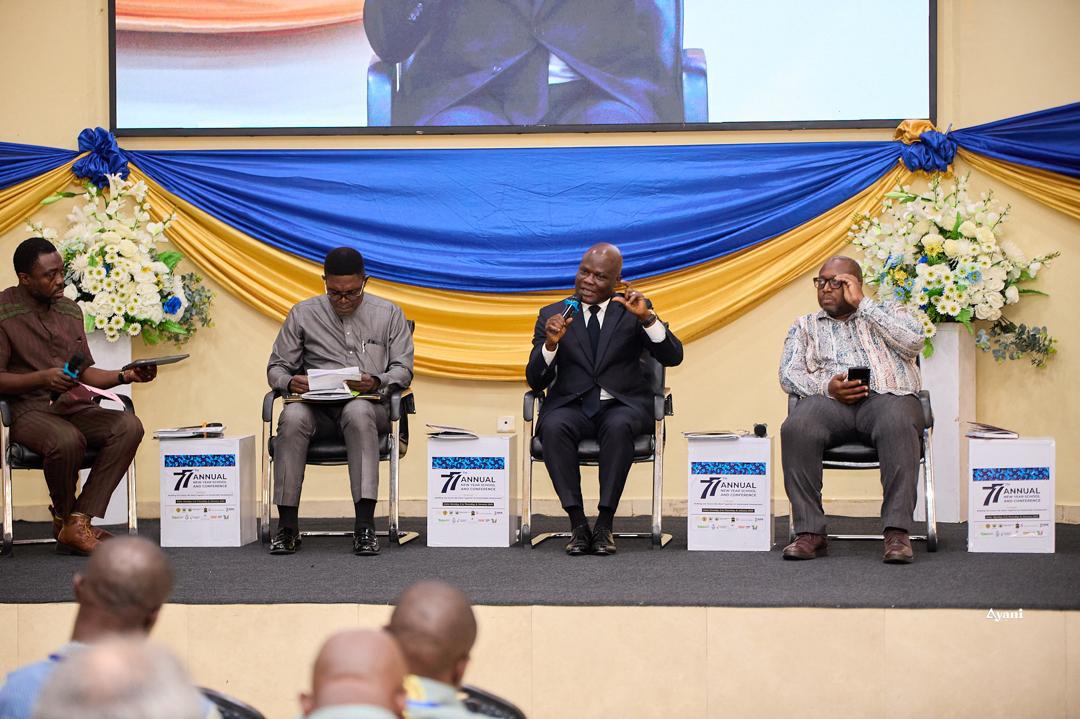
He made the statement at a panel discussion on Good Governance and Corruption during the 77th Annual New Year School and Conference held on Tuesday, 6th January 2026, at the University of Ghana, Legon. Minister Ibrahim attributed the achievement to a series of legal, institutional, and policy reforms aimed at strengthening governance and accountability across public service.
“Key measures include the outdooring of the Code of Conduct for Public Appointees, the amendment of the Public Procurement Act, 2003 (Act 663), and Cabinet approval for the Conduct of Public Officers Bill, the EOCO Bill, and the Public Tribunals Bill. These initiatives aim to reinforce transparency, asset declaration, conflict-of-interest management, and the speedy prosecution of corruption-related matters” He explained.
Hon. Ibrahim emphasised the role of asset declaration in fostering accountability, noting that all 261 Metropolitan, Municipal, and District Chief Executives (MMDCEs) completed the process before receiving their appointment letters. “This demonstrates the administration’s commitment to openness and integrity,” he stated.
The Minister also highlighted the Ministry’s ongoing efforts to review the Local Governance Act, 2016 (Act 936) to incorporate social accountability measures, ensuring that governance at the local level is effective, responsive, and citizen focused. He stressed that good governance and anti-corruption are mutually reinforcing, particularly at the district level where citizens interact closely with public officials.
Hon. Ibrahim further noted that Ghana’s anti-corruption framework is anchored in the 1992 Constitution, supported by the Public Office Holders (Declaration of Assets and Disqualification) Act, 1998 (Act 550), and the Public Financial Management Act, 2016 (Act 921), which together strengthen accountability and financial transparency in the public sector.
The Minister’s presentation underscored that the government’s reforms have improved global perceptions of Ghana’s commitment to fighting corruption, enhancing the country’s international standing and confidence in its institutions.
SOURCE: Darling Maame Efua Cann
MLGCRA PR Unit