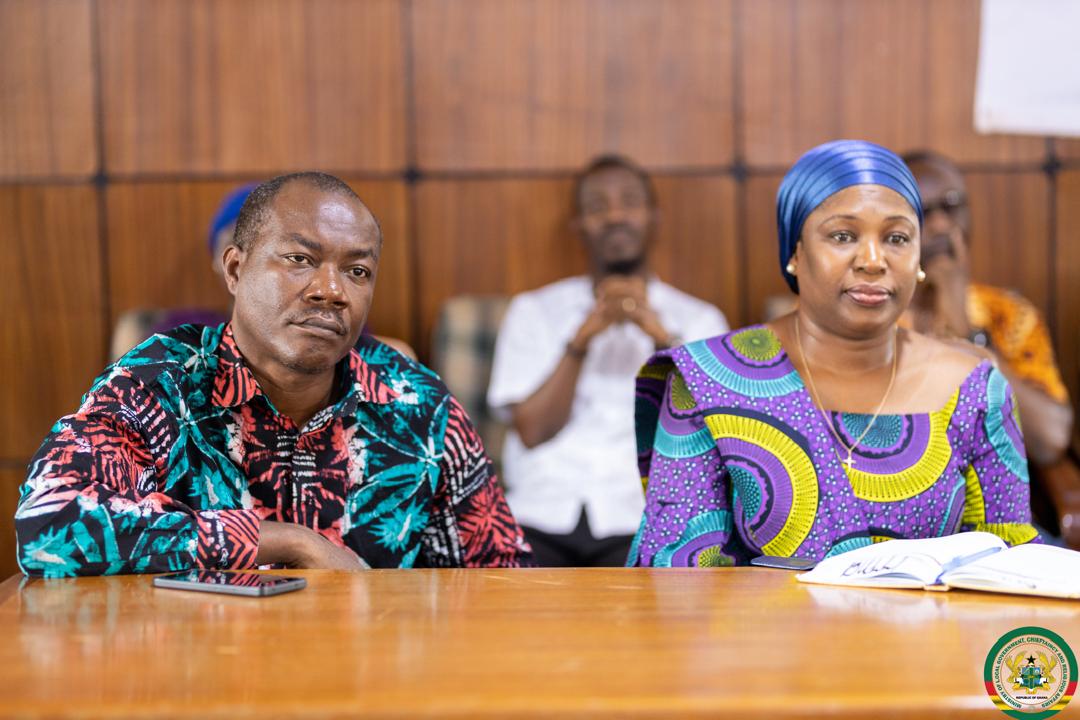
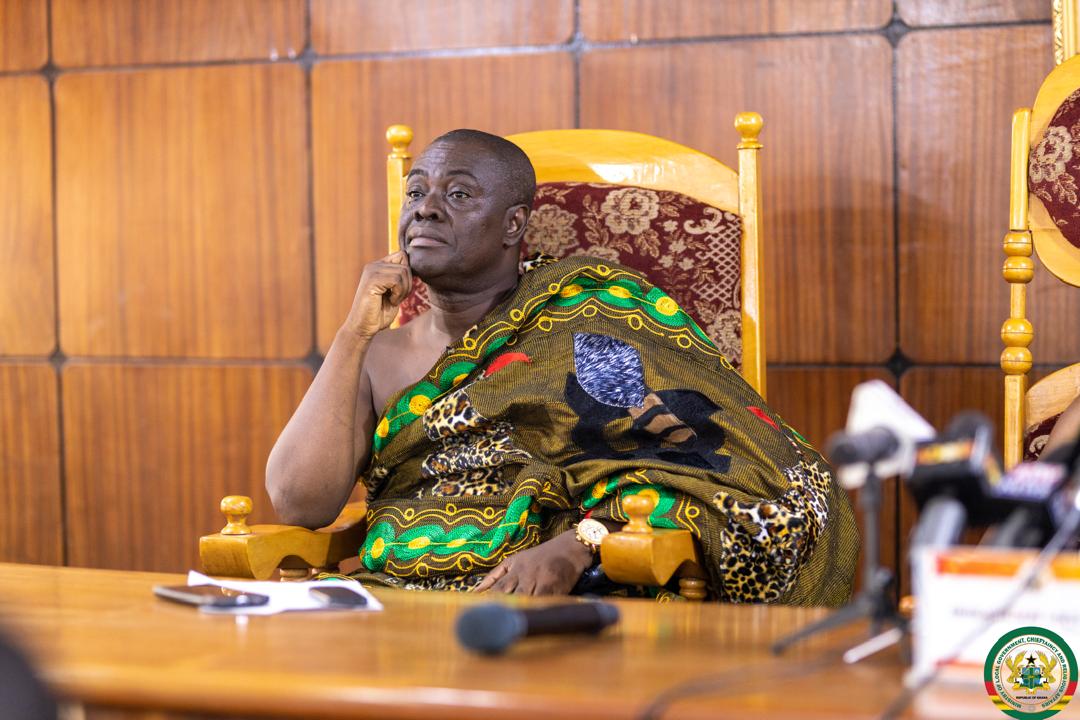
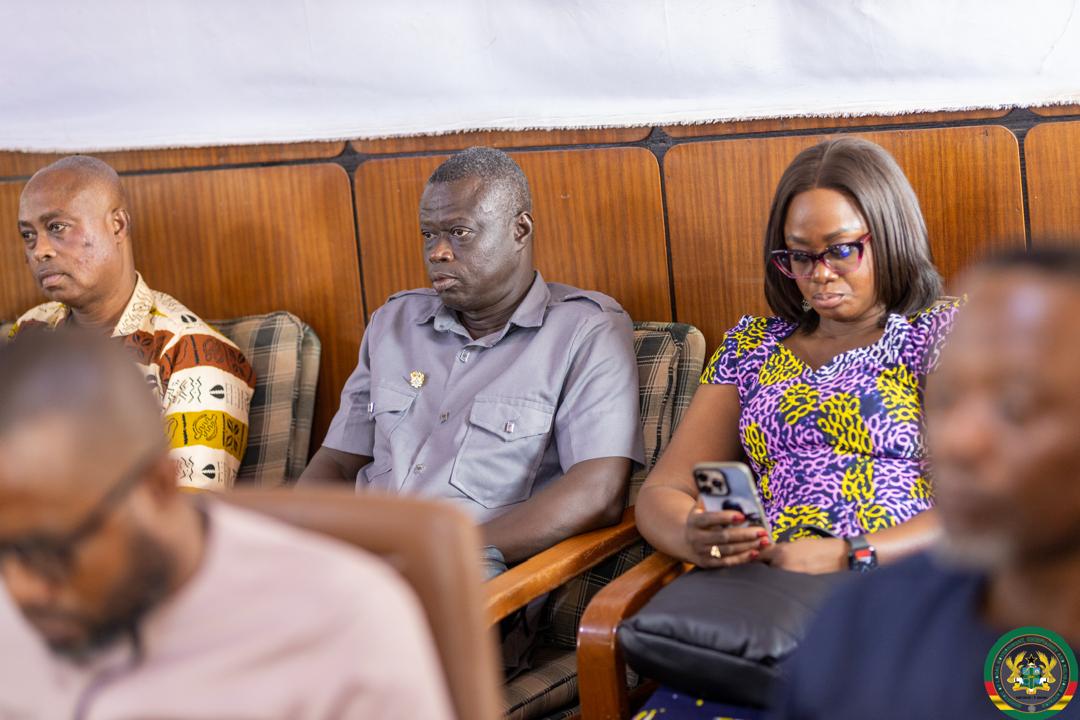
Government has commenced processes to amend the Chieftaincy Act, 2008 (Act 759), as part of measures to strengthen the chieftaincy institution and enhance its effectiveness in Ghana’s governance framework.
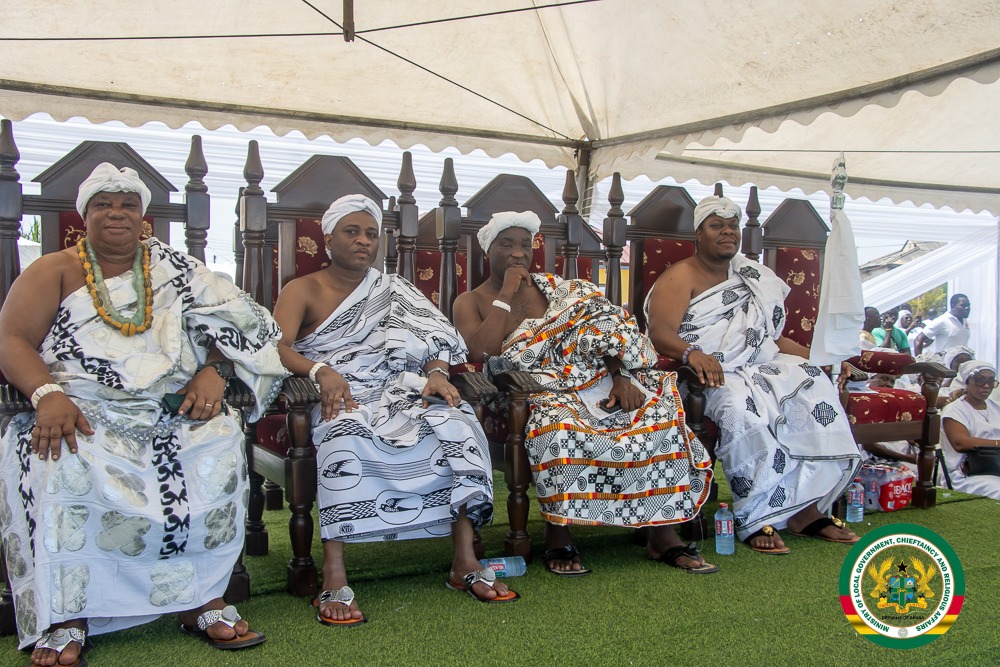
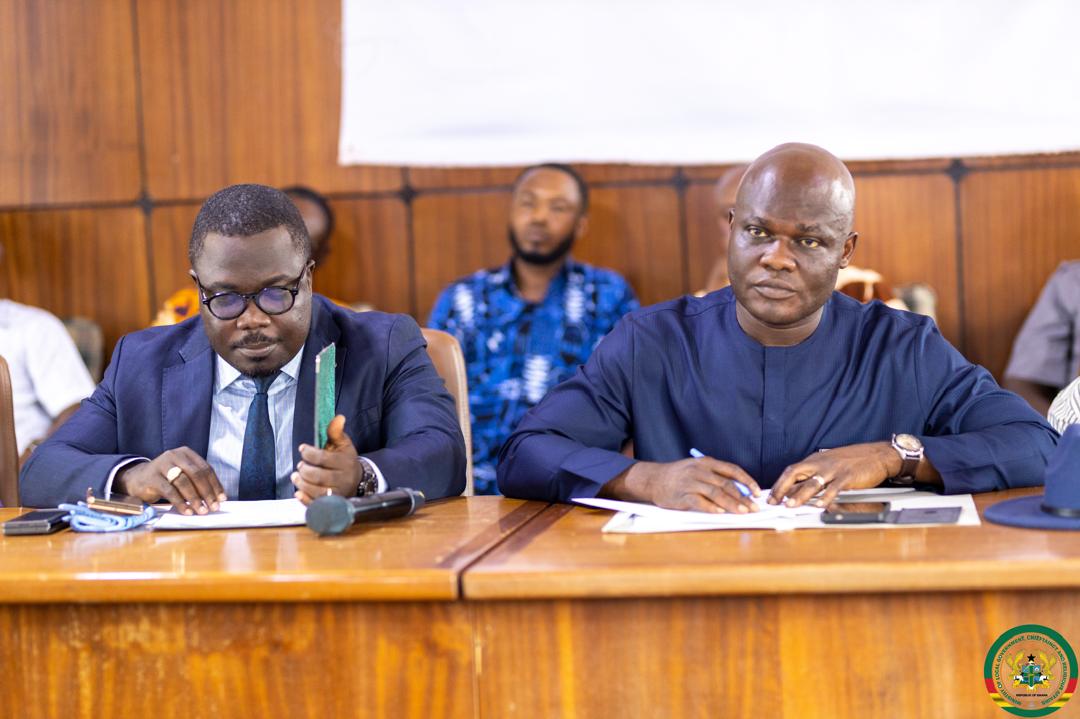
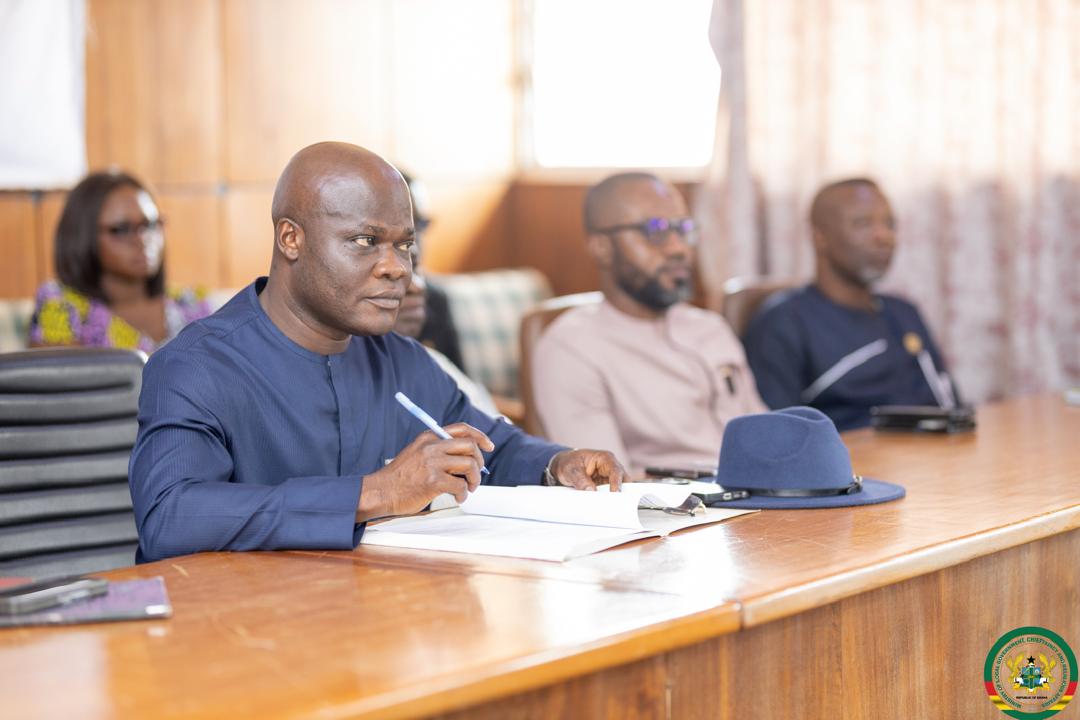
The Minister for Local Government, Chieftaincy and Religious Affairs, Hon. Ahmed Ibrahim, announced this on Monday, 2nd February 2026, during his familiarisation visit to the Bono Regional House of Chiefs in Sunyani. He disclosed that a committee has been constituted to undertake the amendment process and is expected to begin work within the 2026 calendar year, underscoring the premium Government places on the institution of Chieftaincy.
Addressing the House, the Minister explained that the proposed amendments seek to respond to contemporary challenges within the chieftaincy system, strengthen institutional efficiency, and improve collaboration between Traditional Authorities and state institutions. He reaffirmed Government’s respect for the chieftaincy institution as guaranteed under the 1992 Constitution and conveyed warm greetings from His Excellency the President of the Republic of Ghana.
The visit to Bono forms part of the Minister’s nationwide familiarisation tour, which has already taken him to the Greater Accra, Volta and Upper West Regional Houses of Chiefs, aimed at deepening engagement with Traditional Authorities and discussing key policy priorities.
Hon. Ahmed Ibrahim described the Bono Regional House of Chiefs as a critical pillar in Ghana’s governance architecture, noting its central role in preserving culture, resolving disputes, maintaining peace and promoting social cohesion within the region. He acknowledged the challenges confronting Regional Houses of Chiefs, particularly inadequate financial resources for adjudicating chieftaincy disputes and shortages of essential sub-professional staff.
To address these concerns, the Minister announced that Government has increased the quarterly allocation for adjudication of chieftaincy cases from GH¢30,000 to GH¢50,000, effective 1st April 2025, to facilitate the timely delivery of justice. He further assured the House of Government’s commitment to improving operational capacity through continued stakeholder engagement.
On the welfare of Traditional Authorities, Hon. Ahmed Ibrahim revealed that the monthly allowances of Paramount Chiefs and Queen Mothers have been increased to GH¢3,000 and GH¢2,400 respectively, representing a 300 per cent increment. He noted that the funds have been released for disbursement to support the work of Traditional Authorities nationwide.
The Minister also highlighted Government’s commitment to the implementation of the 24-Hour Model Market initiative and called on Metropolitan, Municipal and District Chief Executives (MMDCEs) to work closely with Traditional Leaders to ensure its success. He stressed that Traditional Authorities, as custodians of land, are key partners in making suitable land available for the project, adding that Government will neither demolish existing structures nor engage in speculative land acquisition.
He concluded by reaffirming Government’s resolve to strengthen collaboration with Traditional Authorities, stressing that sustainable development at the local level cannot be achieved without their active participation.
The leadership and members of the Bono Regional House of Chiefs welcomed the Minister’s visit and expressed appreciation for Government’s commitment to chieftaincy reforms, welfare improvements and policies aimed at promoting peace and development in the region.
The President of Bono Regional House of Chiefs, Osagyefo Oseadeeyo Agyeman Badu II commended government for the good initiatives it has started, especially on the big push, the construction of some principal roads in the region, and applauded the Minister for tremendous efforts he is putting in Chieftaincy, local governance and sanitation.
He, however appealed to him to speak to the President to fastrack the sampa- road as the contractor was moving in a slow pace. Osagyefo Badu II charged the Metropolitan, Municipal, District Chief Executives (MMDCEs) in Bono Region to put much efforts in Environmental Health and Sanitation as it forms part of their mandate, adding that if that slag, government should rather push the mandate to the Chiefs as they are already enforcing cleanliness in their traditional areas.